A safe excavation job rarely begins when the engine starts. It begins earlier, when the site is checked, the right machine is chosen and everyone understands what can go wrong if a bucket swings too close, a trench edge gives way or a service line is struck. For excavator hire Gold Coast contractors, tradies and capable DIY users are looking for, choosing equipment is not just about getting access to a machine. It is about finding the right fit for the job and using it with planning, care and respect for the risks that come with earthmoving work.
Excavators can make light work of trenching, landscaping, drainage, footings, demolition preparation and material handling. They can also create serious hazards when used without the right controls. Safe operation depends on knowing the limits of the machine, matching attachments to the task, maintaining clear communication and treating every site as unique.
Choose The Right Excavator Before Work Starts
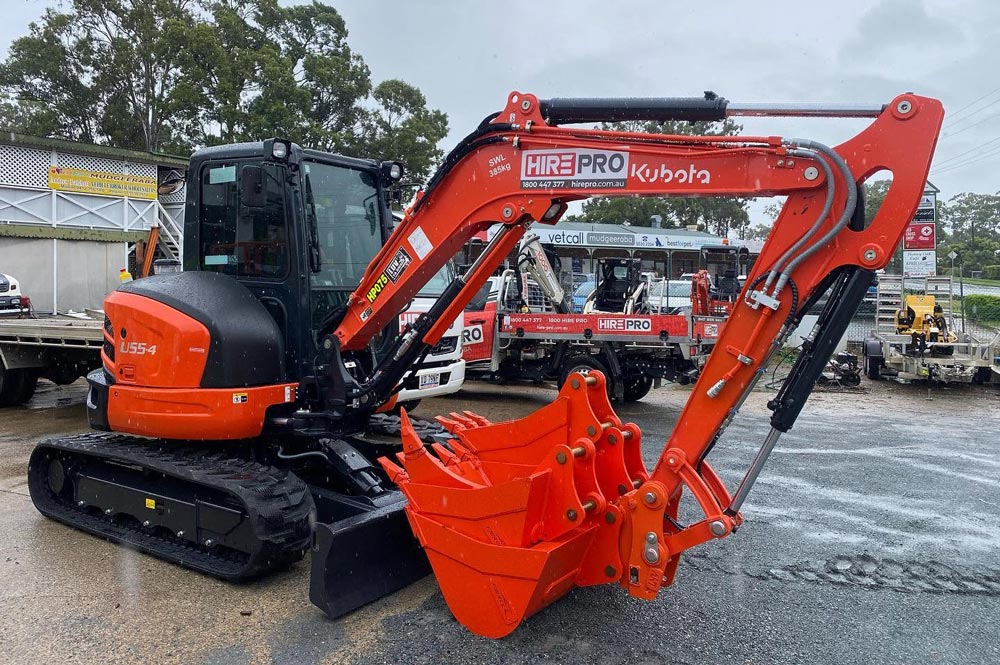
The safest machine is the one that suits the work, access and ground conditions from the outset. A compact excavator may be ideal for tight residential access, while a larger unit may be more suitable for deeper digging, heavier lifting or broader civil works. Choosing incorrectly can lead to instability, inefficient digging or unnecessary risk around structures, fences, kerb edges and underground services.
A careful hire decision should consider more than bucket size. Operators need to think about machine weight, reach, transport needs, attachment compatibility and whether the work area allows for safe turning and loading.
Key selection checks should include:
- Access width and turning space
- Ground slope and firmness
- Digging depth requirements
- Attachment type and weight
- Nearby structures or services
Inspect The Machine Before Every Use
A pre-start inspection is a simple habit that prevents many avoidable incidents. Even when using reputable machinery hire Gold Coast contractors trust, the person operating the excavator should check the machine before work begins. This is not about doubting the hire provider. It is about confirming the excavator is ready for the exact conditions of the day.
Walk around the machine slowly and look for obvious leaks, damaged hoses, loose pins, worn tracks, cracked glass and debris near moving parts. Inside the cab, check warning lights, controls, seat position, mirrors and visibility aids. Any issue should be reported before operation rather than managed in the middle of a job.
A practical pre-start routine should cover:
- Hydraulic hoses and fittings
- Tracks, rollers and undercarriage
- Bucket pins and attachment locks
- Fluid levels and warning lights
- Seatbelt, horn and mirrors
Understand The Site Before You Dig
Excavation safety depends heavily on what is hidden beneath the surface. Pipes, cables, irrigation lines, old footings and unstable fill can all turn a routine dig into a costly or dangerous problem. Good excavator safety on the Gold Coast begins with planning, marking and confirming the work zone before the bucket touches the ground.
Operators should avoid assuming that plans are perfectly accurate. Conditions can change over time, especially on sites that have been renovated, extended or modified by previous owners or contractors. Where underground services are possible, use available service-location information, mark exclusion areas and dig cautiously around known lines.
Site preparation should include:
- Locating underground services
- Marking the dig zone clearly
- Checking soil and surface conditions
- Setting exclusion areas
- Planning spoil placement
Keep People Clear Of The Swing Zone
An excavator does not need to travel far to cause harm. The rear swing, bucket arc and blind spots can create risks even when the machine appears to be moving slowly. Workers, homeowners, delivery drivers and visitors should stay outside the operating area unless they have a clear role and direct communication with the operator.
The swing zone should be treated as a controlled space, not an open work area. When visibility is limited, a spotter may be needed, especially near fences, tight driveways, temporary barriers or shared work zones. The operator should stop work if anyone enters the exclusion area.
Safe separation depends on clear rules:
- Keep bystanders outside barriers
- Use one nominated spotter
- Stop before people approach
- Avoid reversing without checks
- Communicate with hand signals
Match Attachments To The Task
Excavators are versatile because of their attachments, but that versatility needs discipline. Buckets, augers, rippers, grabs and breakers all change how the machine behaves. An attachment that is too heavy, poorly fitted or wrong for the material can affect balance, visibility and hydraulic performance.
Before using attachments through construction equipment hire on the Gold Coast, confirm they suit the machine and the intended work. Operators should understand how each attachment affects reach, lifting capacity and control response. A rock breaker, for example, requires different positioning and patience compared with a trenching bucket. An auger needs careful vertical alignment and awareness of underground hazards.
Attachment safety should focus on:
- Correct machine compatibility
- Secure locking mechanisms
- Suitable ground conditions
- Controlled hydraulic operation
- Manufacturer guidance
Operate Smoothly and Avoid Rushing
Many excavation incidents happen when operators rush. Jerky movements, sudden slewing, overreaching and aggressive digging can reduce stability and make it harder to respond if the ground shifts. Even experienced operators benefit from slowing down in confined areas, near structures or on uneven ground.
Smooth operation protects both the machine and the site. It also helps achieve cleaner trenches, better material placement and less damage to finished surfaces. DIY users should take extra time to become familiar with the controls before attempting close work. Contractors should set realistic job expectations so operators are not pushed into unsafe decisions.
Steady operation is supported by:
- Gentle control inputs
- Stable machine positioning
- Slow slewing near obstacles
- Avoiding overloaded buckets
- Taking breaks when fatigued
Manage Slopes, Trenches and Soft Ground Carefully
Excavators are powerful, but they are not immune to tipping, sliding or sinking. Sloped sites, trench edges, wet soil and loose fill require extra care. The machine should be positioned to maintain stability and operators should avoid working too close to unsupported edges. Spoil piles, materials and other equipment should also be kept away from trench sides where they can add pressure.
Ground conditions can change during the day. Rain, repeated tracking and ongoing excavation can soften areas that felt stable at the start. If the machine begins to feel uneven, sluggish or unstable, stop and reassess rather than pushing through.
Ground stability checks should include:
- Distance from trench edges
- Spoil pile placement
- Track position on slopes
- Soft or saturated areas
- Safe entry and exit paths
Plan Loading, Transport and End-Of-Day Shutdown
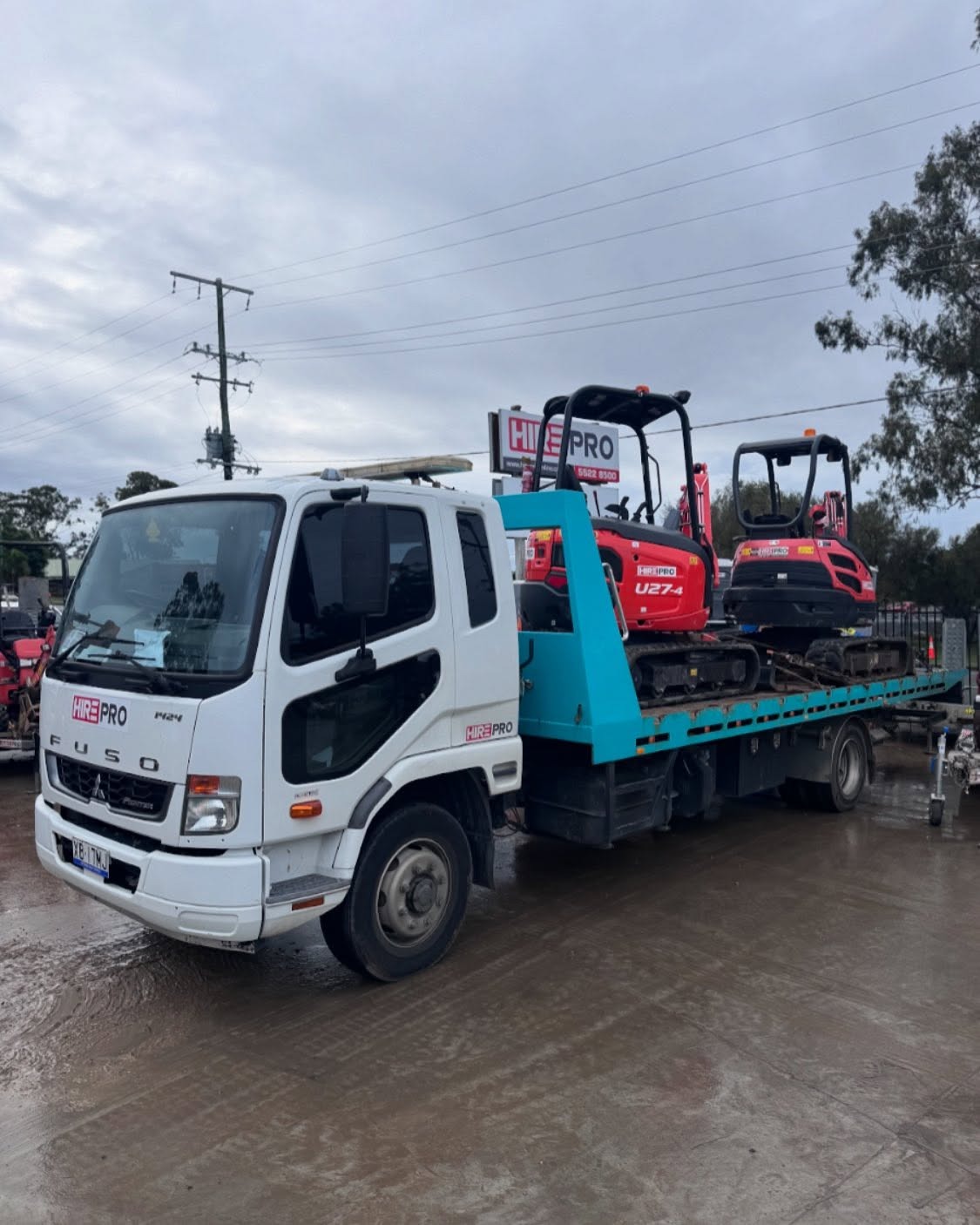
Safety continues after the digging is done. Loading an excavator onto a trailer, parking it on site or shutting it down for the day all require attention. Ramps should be suitable, stable and aligned. The machine should be loaded slowly, with the bucket positioned to assist balance where appropriate. No one should stand beside ramps or behind the trailer during loading.
At shutdown, park on firm, level ground where possible. Lower attachments, isolate the machine, remove keys and secure the site so unauthorised people cannot access the controls. This is especially important on residential jobs or sites shared with other trades.
A safe finish should include:
- Level parking where possible
- Attachments lowered to ground
- Keys removed and stored
- Machine secured after use
- Hazards left clearly marked
Work Safer With The Right Hire Support
A hire excavator should come with more than steel, tracks and hydraulics. Reliable support helps users choose the right unit, understand suitable attachments and plan a safer job from the beginning. Contractors may need machines for repeated project stages, while homeowners may only need short-term access for landscaping, drainage or site preparation. In both cases, guidance matters.
Good hire support helps reduce guesswork. It gives users a chance to discuss access issues, transport needs, hire duration and whether a smaller or larger excavator will better suit the work. That conversation can prevent unsafe improvisation later.
Helpful hire support may include:
- Advice on machine size
- Attachment recommendations
- Flexible hire timeframes
- Well-maintained equipment
- Clear booking guidance
Book Safer Equipment For Your Next Job
We at Hire Pro help contractors, tradies, homeowners and developers access reliable excavator hire across the Gold Coast, with equipment options suited to tight residential work through to larger site requirements. For safer planning, practical advice and the right machine for the task, contact us, call the team or book your hire before the next stage of work begins.